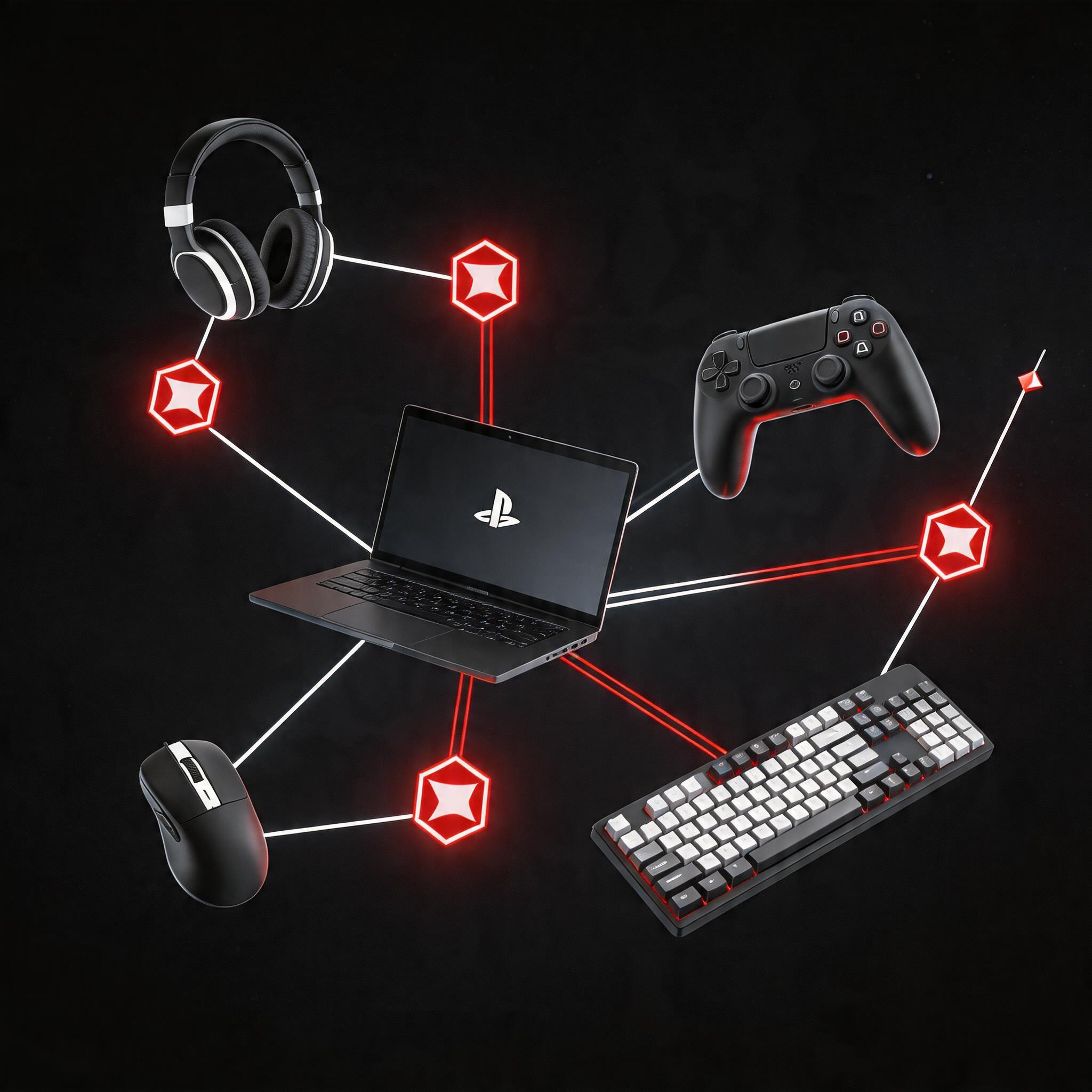
For decades, the gaming community has been fractured along hardware lines. The "console wars" and the persistent divide between PC purists and mobile gamers created isolated silos, preventing friends from playing together simply because they owned different devices. However, a silent revolution has been brewing, driven by open web standards and the relentless advancement of browser technology. HTML5 is actively dismantling these artificial barriers, forging a unified ecosystem where the game itself, rather than the hardware running it, is the central platform. The future of gaming is unequivocally cross-platform, and the web browser is its universal translator.
The End of the Walled Gardens
Historically, game development required building distinct versions of a game for Windows, PlayStation, Xbox, iOS, and Android. This fragmented approach meant massive development costs, asynchronous update schedules, and entirely separate multiplayer servers. If you bought a game on PC, you couldn't play with your friend on a console. This anti-consumer paradigm was sustained by corporate gatekeeping, designed to lock players into specific hardware ecosystems.
Browser-based gaming inherently shatters this model. A game built with HTML5, WebGL, and WebAssembly exists as a single, unified codebase hosted on a server. When a user navigates to the game's URL, the browser interprets that code in real-time. Whether that browser is Chrome on a $3000 gaming rig, Safari on an iPad, or the built-in browser on a smart TV, the core application is identical. The browser abstracts the underlying hardware, providing a universal canvas that democratizes access to high-quality interactive entertainment.
Seamless Progression: The Cross-Save Holy Grail
True cross-platform play extends beyond just multiplayer matchmaking; it encompasses the player's entire digital identity and progression. In the traditional model, starting a game on your phone meant starting from scratch, even if you had invested hundreds of hours into the PC version.
Modern web games solve this elegantly through centralized cloud architecture. Because the game client (the browser) is lightweight and the logic is handled server-side, a player's profile, inventory, and save state are completely decoupled from their physical device. You can execute a complex raid in an MMORPG on your desktop computer, close the tab, open the same URL on your smartphone during your commute, and instantly resume managing your inventory exactly where you left off. This frictionless transition is the defining characteristic of the cross-platform future, ensuring that the game adapts to the player's lifestyle, rather than forcing the player to adapt to the hardware.
Input Agnosticism and UI Adaptation
The primary challenge in achieving true cross-platform parity lies in input methods. A competitive shooter feels drastically different when played with a mouse and keyboard versus a touch screen or a gamepad. To ensure fairness and playability across all devices, developers are embracing "input agnosticism."
Advanced HTML5 games utilize the Gamepad API to instantly detect and map connected controllers, while simultaneously supporting precise mouse tracking and multi-touch gestures. More importantly, responsive design principles dictate that the game's User Interface (UI) must dynamically adapt to the active input method. If a player touches the screen, the UI shifts to larger, thumb-friendly icons. If they click a mouse, it transitions to a dense, informative layout suitable for high-precision clicking. By intelligently managing inputs, developers can throw PC, mobile, and console players into the same matchmaking pool without compromising the integrity of the game.
The Cloud Gaming Convergence
The ultimate realization of cross-platform play is the integration of cloud gaming services (like Xbox Cloud Gaming or GeForce Now) directly into the web browser. In this paradigm, the local device's processing power becomes irrelevant. The game is rendered on massive server farms, and the interactive video feed is streamed directly to the browser canvas via WebRTC.
This completely erases the hardware requirements that traditionally gated high-end gaming. A graphically demanding, ray-traced AAA title can run flawlessly on a decade-old laptop or a budget smartphone, provided the internet connection is stable. The browser acts merely as a thin client, a universal receiver for the interactive stream.
A Unified Gaming Community
The social implications of this shift are profound. By removing hardware barriers, cross-platform browser gaming expands the potential player base for any given title by orders of magnitude. Communities are no longer segregated by their purchasing power or brand loyalty. A unified codebase means developers can push patches and content updates to all players simultaneously, ensuring a cohesive, shared experience. As HTML5 continues to evolve, the concept of a "PC game" or a "mobile game" will become obsolete. There will only be "games," universally accessible, instantly playable, and bringing players together regardless of the screen they choose to look at.